The Donaghue Foundation
2024 Annual Report
2024 Annual Report
Welcome Message
It is a long established fact that a reader will be distracted by the readable content of a page when looking at its layout. It is a long established fact that a reader will be distracted by the readable content of a page when looking at its layout.
2024 Grant Awards

Another Look
Research to Improve Health for Older Adults in Long Term Care Facilities.
Quality of Hospice in Assisted Living and Resident Experiences at the End of Life

Emmanuelle Belanger, PhD
Institution: Brown University
Stakeholder: LeadingAge
Quality of Hospice in Assisted Living and Resident Experiences at the End of Life
Emmanuelle Belanger, PhD
Institution: Brown University
Stakeholder: LeadingAge
About This Project
This project examines the relationship between hospice agency quality ratings and the experiences of assisted living (AL) residents at the end of life. Drawing on a nationally representative survey of AL administrators and in-depth interviews with bereaved next of kin, the study links these data with publicly reported hospice quality measures. The goal is to identify care processes and organizational factors that enhance hospice collaboration in AL, improve resident and family experiences, and inform policy and practice changes that support high-quality end-of-life care in this growing care setting.
The Problem
Assisted living communities are important end-of-life care settings, with over one-third of residents dying within three years. Yet hospice care quality in AL is inconsistent, and bereaved families often report poorer experiences than those whose loved ones die at home. State-level regulations vary widely, with large differences in hospice use and timing of referrals. Limited data exist on care processes within AL that could improve hospice collaboration and quality. Without this insight, policies and practices risk overlooking the unique needs of dying AL residents and their families.
Stakeholder Role
The project’s stakeholder, LeadingAge, represents over 5,000 nonprofit aging services providers. Partnering with their Senior Vice President of Research, the team draws on LeadingAge’s expertise to interpret findings and identify factors influencing hospice use in nonprofit AL communities. LeadingAge will lead targeted dissemination of results through research briefs, policy partner engagement, and member training. Their established communication channels and commitment to evidence-informed practice make them well-positioned to ensure findings reach the providers and decision-makers who can implement care improvements for dying AL residents.
Descriptions of Datasets and Research Design
The study merges three datasets: 1) a national survey of 2,084 AL administrators (2021–2023), capturing organizational characteristics and hospice collaboration practices; 2) 52 qualitative interviews with bereaved next of kin, providing narratives on end-of-life care experiences; and 3) publicly available CMS Hospice CAHPS quality ratings. Linking these data enables analysis of how hospice quality aligns with AL care processes and family-reported experiences. The mixed-methods approach allows for triangulation of quantitative and qualitative findings, offering nuanced insights into factors that drive better collaboration and improve end-of-life care in AL settings.
Knowledge Translation, Dissemination & Integration
Study results will be shared through policy briefs, targeted provider communications, and presentations led by LeadingAge to their members and partners. Dissemination will focus on translating findings into actionable recommendations for improving hospice collaboration in AL. Insights will inform training, guidance, and advocacy efforts, particularly for nonprofit providers. By integrating stakeholder feedback and highlighting care processes that align with positive end-of-life experiences, the project aims to influence policy, refine quality reporting, and support AL communities in delivering timely, compassionate, and high-quality hospice care to residents and families.
Investigating Modifiable Determinants of Post-Disaster Outcomes for Rural Nursing Home Residents

Natalia Festa, MD, PhD
Institution: Yale University
Stakeholder: The John A. Hartford Foundation
Investigating Modifiable Determinants of Post-Disaster Outcomes for Rural Nursing Home Residents
Natalia Festa, MD, PhD
Institution: Yale University
Stakeholder: The John A. Hartford Foundation
About this Project
This project addresses a critical knowledge gap concerning the post-disaster outcomes of nursing home residents, focusing on disparities between rural and non-rural settings. Utilizing a retrospective cohort study design, this research leverages comprehensive administrative healthcare data from the Centers for Medicare & Medicaid Services (CMS) alongside geospatial data on Hurricane Michael exposure. The study evaluates how rurality and nursing home staffing practices affect 30-day mortality and hospitalization rates after the disaster, aiming to inform tailored emergency preparedness and staffing policies that reflect rural resource constraints and improve outcomes for vulnerable nursing home residents.
The Problem
Nursing home residents are highly vulnerable to adverse outcomes following severe weather events, yet little is known about how these outcomes differ between rural and non-rural nursing homes. Rural facilities often face resource limitations including lower staffing intensity and reduced access to emergency services, potentially exacerbating post-disaster risks. There is a lack of empirical data examining whether staffing intensity and skill mix influence residents’ health outcomes after disasters, and how these factors might explain disparities between rural and non-rural nursing homes. Addressing these gaps is essential for developing effective interventions that enhance disaster preparedness and resident safety in rural areas.
Stakeholder Role
The John A. Hartford Foundation (JAHF) plays a vital role as a strategic partner in this project. Known for advancing age-conscious healthcare and public health policies, JAHF’s expertise ensures that research findings are translated into practical, evidence-based policies that prioritize the needs of older adults. Their experience in incorporating the perspectives of older persons and healthcare workers will be instrumental in interpreting and disseminating the study’s results. Through this collaboration, JAHF will help bridge research and policy, fostering improvements in emergency preparedness standards and care practices that ultimately enhance post-disaster outcomes for nursing home residents nationwide.
Descriptions of Dataset(s) and Research Design
This study uses linked administrative healthcare data from CMS, including the Medicare Beneficiary Summary File, MedPAR, Minimum Data Set, CMS Provider Information, Payroll Based Journal, and Life Safety Code Inspections. These datasets provide detailed resident demographics, clinical status, hospitalization records, nursing home characteristics, staffing intensity and skill mix, and emergency preparedness compliance. Geospatial data from national agencies identifies Hurricane Michael’s wind swath and disaster declaration counties, while urban-rural classification data enabled accurate rurality designations. Using a retrospective cohort design, survival models will analyze post-disaster 30-day mortality and hospitalization outcomes, comparing rural and non-rural residents, assess staffing’s moderating effects, and evaluate staffing changes post-disaster via interrupted time series.
Knowledge Translation, Dissemination, and Integration
Findings from this project will be translated into actionable recommendations to improve disaster preparedness and staffing policies tailored for rural nursing homes. Dissemination efforts will include presentations at academic and policy conferences, peer-reviewed publications, and targeted briefings with policymakers and healthcare leaders. Through collaboration with the John A. Hartford Foundation, results will be integrated into age-conscious public health frameworks and policy guidelines, ensuring stakeholder engagement from older adults and care providers. This approach supports sustained implementation of evidence-based practices designed to mitigate rural disparities and enhance the resilience and well-being of nursing home residents during and after disasters.
Oral Care Improvements for SNF Residents Through Collaborative Workforce Training

Joan Llardo, PhD
Institution: Michigan State University
Stakeholder: Oral Health Program: Michigan Department of Health and Human Services
Oral Care Improvements for SNF Residents Through Collaborative Workforce Training
Joan Llardo, PhD
Institution: Michigan State University
Stakeholder: Oral Health Program: Michigan Department of Health and Human Services
About This Project
This pilot project aims to enhance oral care delivery and improve oral hygiene and health among residents of a rural skilled nursing facility (SNF). Dental hygienist students from Lansing Community College (LCC) will provide oral assessments and clean residents’ full or partial dentures, establishing baseline oral health data to inform individualized care plans. The project includes training SNF staff, particularly certified nurse assistants (CNAs), to recognize poor oral health signs and confidently provide preventive care. If successful, this service-learning rotation model will be sustainable and replicable across other local SNFs, improving oral health outcomes for vulnerable older adults.
The Problem
Oral health is closely linked to overall physical, mental, and social well-being, yet older adults in long-term care settings often experience poor oral hygiene that exacerbates health risks. These risks include choking, weight loss, damaged dentures, mouth sores, and increased susceptibility to serious chronic diseases such as pneumonia, cardiovascular conditions, diabetes, and dementia. Despite efforts to standardize oral care in skilled nursing facilities, compliance and care quality vary widely, leading to under-detection of oral problems. Barriers such as limited insurance coverage and inadequate staff training further compromise residents’ oral and overall health.
Stakeholder Role
Their primary stakeholder is the Oral Health Program Director for the Michigan Department of Health and Human Services, facilitated by a Registered Dental Hygienist whose expertise bridges clinical practice and oral health policy. She will guide dissemination and maximize the impact of findings on public health policy. Additional key partners include Dimondale Nursing and Rehabilitation Center (DNRC), where the pilot is implemented; its administrator supports enhanced CNA training to improve oral care. Lansing Community College’s Dental Hygiene program enriches its curriculum by offering students hands-on experience assessing and caring for older adults’ oral health, while also preparing a training curriculum for SNF staff.
Descriptions of Dataset(s) and Research Design
The project utilizes de-identified clinical data from DNRC’s Michigan Minimum Data Set (MDS) Sections K and L, which monitor residents’ swallowing, nutritional, and oral/dental status. These data support longitudinal tracking of oral health and care plan integration. LCC dental hygiene students’ reflective logs after service-learning rotations provide qualitative insights. Primary data collection includes custom Qualtrics surveys administered regularly to SNF staff and monthly discussions with the Resident Council to monitor pilot progress and gather feedback. Observations of staff training sessions and debriefs will also inform intervention refinement. The mixed-methods approach captures clinical, educational, and experiential outcomes related to oral care improvement.
Knowledge Translation, Dissemination, and Integration
Results will be shared with stakeholders, policymakers, and academic audiences through presentations, reports, and policy briefs emphasizing the importance of integrating dental hygiene rotations into SNF care models. Collaboration with the Michigan Department of Health and Human Services will ensure findings inform state oral health initiatives and public policy. The project’s sustainable, replicable model can be expanded to other SNFs locally and nationally, supporting better oral care practices and resident quality of life. Continuous engagement with SNF staff and residents guarantees that the intervention is responsive to needs and fosters multidisciplinary collaboration for improved health outcomes.
Impact of Age-Friendly Recognition on Nursing Home Outcomes
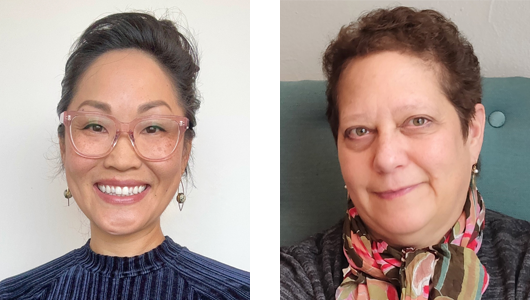
Wingyun Mak, PhD, & Orna Intrator, PhD
Institution: The New Jewish Home
Stakeholders: The Institute for Healthcare Improvement (IHI), LeadingAge
Impact of Age-Friendly Recognition on Nursing Home Outcomes
Wingyun Mak, PhD, & Orna Intrator, PhD
Institution: The New Jewish Home
Stakeholders: The Institute for Healthcare Improvement (IHI), LeadingAge
About This Project
This project evaluates the impact of Age-Friendly Health System (AFHS) Recognition on nursing home (NH) outcomes. AFHS, launched by the Institute for Healthcare Improvement, promotes the 4Ms framework: “What Matters,” “Medications,” “Mentation,” and “Mobility.” While its effectiveness has been demonstrated in multiple healthcare settings, its role in NHs remains underexplored. The study compares recognized and non-recognized NHs, examines changes in quality and staffing metrics before and after recognition, surveys administrators on awareness and implementation, and develops practical web-based resources to guide NHs in adopting AFHS principles and pursuing formal recognition.
The Problem
The AFHS movement has improved care in primary, acute, and large healthcare systems, but little evidence exists on its impact in nursing homes. Formal recognition requires investment of time and resources, yet the measurable benefits for NHs, especially during and after the COVID-19 pandemic, remain unclear. Recognition rates have declined in recent years, raising concerns about sustainability. Without strong evidence of benefits, NHs may be hesitant to pursue AFHS integration, potentially missing opportunities to improve resident outcomes, staff engagement, and care processes for frail older adults in long-term care settings.
Stakeholder Role
The Institute for Healthcare Improvement (IHI) supports AFHS adoption in NHs and oversees the recognition process. They will provide expertise, implementation guidance, and collaboration on dissemination. LeadingAge, representing 5,000+ nonprofit aging service providers, will serve as the primary platform for outreach, hosting research briefs and videos, and distributing them directly to members. Both stakeholders will collaborate on message development, ensure findings are accessible to NH administrators, and track engagement metrics such as downloads and geographic reach. They plan to leverage their combined expertise and networks to maximize uptake of results and encourage broader AFHS adoption in NHs nationwide.
Descriptions of Datasets and Research Design
The project will use data from 2018–2024 at the NH-year level. AFHS recognition status and dates will be obtained from IHI. CMS Care Compare and CASPER data will provide quality ratings, staffing measures, occupancy, payer mix, and turnover rates. Payroll-Based Journal data will supply detailed staffing turnover metrics. They will conduct cross-sectional analyses by recognition status and timing, and longitudinal analyses of NH outcomes from two years before to one year after recognition. A national administrator survey will assess awareness, implementation, and barriers, with responses linked to facility-level CMS data for integrated analysis.
Knowledge Translation, Dissemination & Integration
Findings will be translated into actionable resources, including a research brief and a short “Quickcast” video summarizing results in plain language. These materials will be hosted on LeadingAge’s website, shared through their member network, and promoted in collaboration with IHI. Dissemination will focus on practical insights, benefits, and considerations for pursuing AFHS recognition. Website analytics will track reach and engagement, including download counts and visitor locations. This approach ensures findings are accessible to decision-makers, supports evidence-based adoption of the 4Ms framework, and informs both policy and practice for improving care in nursing homes.
Medicaid Nursing Home Reimbursement, Staffing, and Quality: A Facility-Level Analysis

Edward Miller, PhD, MPA
Institution: University of Massachusetts at Boston
Stakeholder: LeadingAge
Medicaid Nursing Home Reimbursement, Staffing, and Quality: A Facility-Level Analysis
Edward Miller, PhD, MPA
Institution: University of Massachusetts at Boston
Stakeholder: LeadingAge
About This Project
This project is a groundbreaking national study examining the relationship between Medicaid payment levels and nursing home (NH) quality at the facility level. Medicaid covers care for approximately two-thirds of NH residents, yet current research has largely been unable to assess whether Medicaid payments are sufficient to support high-quality care due to limited facility-specific data. This project is the first to use a comprehensive national dataset of Medicaid per diem payments linked to quality and staffing metrics at the individual NH level. Findings will inform more equitable and effective Medicaid payment policies.
The Problem
While Medicaid is the largest single payer for nursing home care, limited data has hindered the ability to understand how its payments relate to the quality of care residents receive. Prior research has only examined state average payment rates, missing critical variation at the facility level. As nursing homes face increasing demands to improve quality in the aftermath of COVID-19, this gap becomes especially problematic. Without clear evidence, policymakers risk setting rates too low to support essential staffing or too high, potentially misallocating public resources. This study directly addresses this evidence gap by using facility-specific data.
Stakeholder Role
LeadingAge, a national organization representing over 5,400 nonprofit aging services providers across 41 states, is the primary stakeholder for this project. As an influential voice in long-term care policy, LeadingAge will collaborate with the research team through an advisory committee to provide feedback on study design, ensure cultural sensitivity, and guide dissemination efforts. Their Education Program will support outreach through webinars and presentations, including at major national conferences. Their Communications and Marketing team will amplify project outputs to reach providers, consumers, advocates, and policymakers through social media, newsletters, and trade publications.
Descriptions of Dataset(s) and Research Design
This study utilizes an extensive array of linked facility-level datasets for 2019. Medicaid per diem payment data, collected from 45 states and covering 93 percent of freestanding nursing homes, is matched to Medicare Cost Reports to calculate payment-to-cost ratios. Medicare Cost Reports are also used to determine facility-level Medicaid costs and financial characteristics. Nursing Home Compare (Care Compare) data provides five-star ratings and resident outcomes such as hospitalizations, falls, and antipsychotic use. Payroll-Based Journal data captures daily staffing hours by staff type and care function. CASPER data supplies information on facility characteristics and regulatory compliance. The Minimum Data Set 3.0 offers resident-level clinical, functional, and demographic data. Using regression analyses that account for facility clustering within states, the study investigates how Medicaid payment levels relate to star ratings, staffing, and quality outcomes, and whether these relationships vary by the racial and ethnic composition of residents.
Knowledge Translation, Dissemination, and Integration
The project includes a diverse knowledge translation plan anchored by LeadingAge’s extensive networks. A stakeholder advisory committee will meet quarterly to guide the dissemination strategy and help contextualize the findings. Dissemination activities will include webinars and QuickCasts targeting diverse audiences such as providers, advocates, and policymakers. Presentations will be made at LeadingAge’s Annual Meeting and Leadership Summit. Additionally, blog posts, infographics, and summary briefs will be tailored to meet the needs of different stakeholders. Academic presentations and policy briefs will also be prepared to inform federal and state decision-makers. These integrated efforts will ensure that the findings directly inform payment policy debates and contribute to creating a more sustainable and equitable long-term care system.

Greater Value Portfolio
Advancing promising approaches to achieve a higher-value healthcare system.
Ready to Scale: Demonstrating the value of cross-setting palliative care

J. Brian Cassel, PhD
Institution: Virginia Commonwealth University
Partner Organization: Advocate Health (AH)
Ready to Scale: Demonstrating the value of cross-setting palliative care
J. Brian Cassel, PhD
Institution: Virginia Commonwealth University
Partner Organization: Advocate Health (AH)
About This Project
This project assesses the value of delivering a full continuum of specialty palliative care (PC) services at Advocate Health (AH), one of the largest non-profit health systems in the United States. Through a comprehensive, system-level evaluation, the research team aims to quantify PC’s contributions to the Quintuple Aim: improving outcomes, enhancing patient and provider experience, reducing costs, and advancing equity. The findings will inform AH’s post-merger strategy for scaling PC across regions and serve as a national model for evaluating and expanding PC in serious illness care.
The Problem
Palliative care has well-documented benefits, but access remains inconsistent due to policy and payment limitations. Most health systems provide hospital-based PC, while clinic- and home-based services are much less common. These services often require interdisciplinary teams that are not sustainable under fee-for-service payment models. Without consistent reimbursement or incentives, health systems face challenges in scaling PC equitably. As a result, many of the 12 million seriously ill adults in the United States receive insufficient support, even within systems committed to improving access.
Study Design
The research team is conducting a mixed-methods observational study using clinical, claims, and administrative data from 2019 to 2024 across AH’s 23 hospitals in Illinois and Wisconsin. They are analyzing utilization patterns, clinical and financial outcomes, and equity across hospital-PC, clinic-PC, and home-PC. The study also includes data collection on patient-reported outcomes, provider experience, and executive perspectives. Using quasi-experimental methods, cost modeling, and equity-focused analyses, the team will generate insights to guide system-level strategy and inform broader health policy.
Contribution to Improved Value
This project will demonstrate how palliative care contributes to improved outcomes, patient and provider experience, cost savings, and equity when offered across different care settings. By identifying service utilization patterns and unmet needs, the research team will provide guidance on the most effective and feasible ways to expand access. The results will help AH refine its approach to delivering PC and could shape how other health systems and policymakers view the role of PC in serious illness care. This work highlights the importance of aligning payment models with care delivery goals.
Informing Medicare with Evidence on Social Risk Adjustment

Joshua Liao, MD, MSc
Institution: UT Southwestern Medical Center
Partner Organization: Centers for Medicare & Medicaid Services (CMS)
Informing Medicare with Evidence on Social Risk Adjustment
Joshua Liao, MD, MSc
Institution: UT Southwestern Medical Center
Partner Organization: Centers for Medicare & Medicaid Services (CMS)
About This Project
This project evaluates the effectiveness of social risk adjustment in value-based payment models by examining the connection between neighborhood socioeconomic disadvantage and patient outcomes. Using national data and CMS-defined methods, the research explores whether including the Area Deprivation Index (ADI) in payment formulas helps distribute resources more equitably. Conducted in partnership with CMS, the study focuses on mortality, preventable hospitalizations, and Medicare spending. The goal is to generate evidence that guides policy decisions and improves the fairness of payment systems, particularly for communities that have historically faced barriers to quality care.
The Problem
Current value-based care models often overlook the impact of patients’ social conditions, which can place clinicians who serve disadvantaged populations at a financial disadvantage. Although CMS has begun using the ADI to adjust payments, there is limited data showing how social risk factors influence outcomes when clinical risk is held constant. Without this evidence, adjustments may be inaccurate or unfair. As a result, well-meaning policies could unintentionally worsen health disparities instead of improving access and quality of care in under-resourced communities.
Study Design
The study uses a retrospective, observational analysis of complete Medicare fee-for-service and dual-eligible claims data, linked to ADI scores at the census block group level. Researchers apply generalized linear regression models to examine how neighborhood-level disadvantage relates to outcomes such as mortality, preventable hospitalizations, and CMS spending. Clinical risk is accounted for using CMS’s Hierarchical Condition Category methodology. The study also explores the impact of specific domains within the ADI, such as housing, education, and transportation, to inform more nuanced and targeted payment reform strategies.
Contribution to Improved Value
The study provides evidence to help CMS and other payers refine how social risk is factored into value-based payment models. By identifying whether neighborhood disadvantage predicts worse outcomes independently of clinical risk, the project supports more equitable payment approaches. This work encourages the use of social risk to guide care improvements, rather than relying solely on cost data. The findings are expected to inform policies that improve outcomes and reduce disparities, helping healthcare systems deliver better value while addressing the needs of historically marginalized communities.
Impact of a shared decision-making intervention for families of severe acute brain injury patients
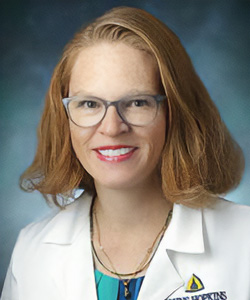
Susanne Muehlschlegel, MD, MPH
Institution: Johns Hopkins University
Partner Organizations: UMass Memorial Medical Center, Johns Hopkins Bayview Medical Center, The Johns Hopkins Hospital
Personalized Patient-Centered Eye Care Using Telemedicine and Artificial Intelligence

Benjamin Xu, MD, PhD
Institution: University of Southern California
Partner Organization: Los Angeles Count Department of Health Services (LAC DHS)
Personalized Patient-Centered Eye Care Using Telemedicine and Artificial Intelligence
Benjamin Xu, MD, PhD
Institution: University of Southern California
Partner Organization: Los Angeles Count Department of Health Services (LAC DHS)
About This Project
This project evaluates an AI-enhanced teleglaucoma screening strategy within the Los Angeles County Department of Health Services (LAC DHS), which operates one of the largest public teleophthalmology programs in the U.S. The study integrates a validated AI algorithm and a custom cloud-based platform into existing workflows to improve detection of referable and urgent glaucoma. By using real-world data and collaborating with USC and LAC DHS, the team aims to improve equity, accuracy, timeliness, and cost-effectiveness in glaucoma screening for underserved populations.
The Problem
Glaucoma affects over 80 million people globally and is a leading cause of irreversible blindness. In the U.S., the burden of glaucoma is rising due to population aging and a shortage of ophthalmologists. These challenges disproportionately affect underserved communities, where access to early detection and treatment is limited. Existing teleophthalmology programs improve access but rely on costly tools and manual grading. Without scalable, equitable solutions, glaucoma-related disparities in vision loss and treatment will continue to grow.
Study Design
The study includes a retrospective analysis and a six-month prospective trial across 17 LAC DHS sites. It will assess the performance and equity of a validated AI algorithm in detecting referable glaucoma, compare AI results to manual grading, and evaluate integration feasibility within current workflows. Researchers will also develop a multimodal AI model to detect urgent cases and analyze patient perceptions of AI-based care. Data will be collected from fundus images, clinical workflows, and patient surveys to measure detection accuracy, equity, resource use, and trust.
Contribution to Improved Value
This project aims to standardize glaucoma screening, reduce time to detection, and expand access in resource-limited settings. By improving diagnostic accuracy and efficiency, AI can help ensure timely care for high-risk patients while lowering costs. The team will also identify implementation barriers and explore patient trust in AI to support adoption. Findings will inform health systems and policymakers on scalable strategies for equitable eye care, particularly in safety-net environments. This work could serve as a national model for using AI to close care gaps in vision health.

R3
Helping researchers better prepare their health interventions for adoption and use in real-world settings.
Creating a Web-Based Quality-Improvement Tool to Help Nursing Homes Identify Facility-Specific Pressure-Injury Risks
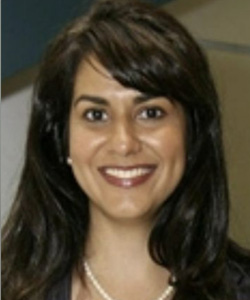
Lara Dhingra, PhD
Institution: MJHS Institute for Innovation in Palliative Care
Consultants: LeadingAge New York, Albert Einstein College of Medicine
Creating a Web-Based Quality-Improvement Tool to Help Nursing Homes Identify Facility-Specific Pressure-Injury Risks
Lara Dhingra, PhD
Institution: MJHS Institute for Innovation in Palliative Care
Consultants: LeadingAge New York, Albert Einstein College of Medicine
Previous Research
The original Donaghue-funded project examined national nursing home data to evaluate the associations between race, ethnicity, and pressure injury (PI) outcomes. Analyses revealed that PI disparities are influenced by an interaction between resident sex and race, with women who are Black, American Indian, or Alaskan Native experiencing higher incidence rates than White women, while minority men had lower rates than White men. These findings suggest that resident, facility, and community-level factors interact in complex ways, often obscuring disparities unless data are separated by sex. The results provide an evidence base for developing targeted prevention and care strategies.
Purpose for Continuation
The R3 project will translate prior findings into a web-based scoring tool for nursing homes to identify residents at high risk for PIs based on weighted variables such as sex, race, facility characteristics, and community-level factors. Partnering with LeadingAge New York, the project will pilot the tool in four diverse nursing homes, collect qualitative feedback, and refine it for ease-of-use. The tool will then be embedded within a quality improvement (QI) framework to guide targeted interventions, improve PI prevention and healing, and address inequities in care.
Project Value and Intended Users
This project offers nursing home administrators an evidence-based, actionable method to assess PI risk tailored to their facility’s population. The scoring tool will provide individualized and subgroup risk profiles, enabling administrators to prioritize prevention strategies and educational initiatives. Intended users include administrators, clinical leaders, owners, and state-level advocacy organizations focused on quality improvement and health equity. By providing a QI framework alongside the tool, the project ensures that results can be translated into practice, helping facilities reduce PI incidence, improve healing rates, and address disparities in pain management.
Long-Term Implications
Long-term, the scoring tool and QI framework could be adopted widely by nursing homes to improve resident outcomes and reduce disparities in PI care. By integrating social and demographic variables often excluded from existing tools, the model will help facilities better understand and address inequities. Sustained use could lead to system-wide improvements in prevention, treatment, and equity-focused care. Broader adoption by administrators, clinical teams, and policy advocates may influence standards for PI risk assessment, ensuring more equitable, data-driven approaches to quality improvement in long-term care settings.
Expanding CRPs for Senior Living Communities

Thomas Gallagher, MD
Institution: University of Washington
Consultant: The Marsh Senior Living & Long Term Care Industry Practice
Expanding CRPs for Senior Living Communities
Thomas Gallagher, MD
Institution: University of Washington
Consultant: The Marsh Senior Living & Long Term Care Industry Practice
Previous Research
The original Donaghue-funded project addressed a critical gap in harm response for senior living communities by adapting the Communication and Resolution Program (CRP) model, originally developed for acute and ambulatory care, into a tailored curriculum for this setting. The pilot curriculum focused on training staff to communicate effectively with residents and families after harm events. It was enthusiastically received, with participants noting its relevance and practicality. The work demonstrated the feasibility of implementing a core CRP component in senior living, setting the stage for broader dissemination and integration into standard harm response practices.
Purpose for Continuation
The R3 project will expand the harm communication component of CRP for widespread use in senior living communities. Partnering with Marsh’s Senior Living & Long-Term Care Industry Practice, they will develop and deliver in-person training, a train-the-trainer curriculum, e-learning modules, and published tools. These resources will address barriers such as staff turnover, time constraints, and the need for sector-specific approaches. By leveraging Marsh’s reach and expertise, they will equip senior living organizations with adaptable, scalable strategies to implement structured, compassionate harm communication as part of broader safety and trust-building initiatives.
Project Value and Intended Users
This project directly supports senior living owners, operators, and frontline staff by providing evidence-based tools to improve communication with residents and families after harm events. The value lies in addressing sector-specific challenges such as limited resources, high staff turnover, and differing event profiles compared to hospitals through tailored, flexible training options. Intended users include senior living administrators, care teams, and corporate leaders committed to quality improvement and resident trust. By disseminating tools via industry conferences, Marsh’s client networks, and e-learning platforms, they will maximize accessibility and impact across a diverse range of communities nationwide.
Long-Term Implications
Widespread adoption of the CRP harm communication component in senior living will strengthen resident–staff trust, improve satisfaction, and promote a culture of transparency. Over time, participating communities can expand to incorporate additional CRP elements, creating a more comprehensive harm response framework. This project also positions senior living communities as leaders in accountability and safety, aligning with national patient safety movements. The tools, training infrastructure, and partnerships developed here will be sustainable beyond the grant period, supporting ongoing integration into onboarding, quality improvement, and leadership development programs across the sector.
Scaling Patient Priorities Care through User Friendly Training
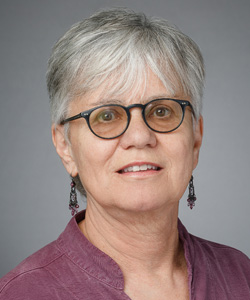
Mary Tinetti, MD
Institution: Yale University
Consultant: Yale School of Medicine
Scaling Patient Priorities Care through User Friendly Training
Mary Tinetti, MD
Institution: Yale University
Consultant: Yale School of Medicine
Previous Research
The original Donaghue-funded project evaluated Patient Priorities Care (PPC), an evidence-based approach to aligning care with older adults’ health priorities. In a Cleveland Clinic study, older adults with multiple chronic conditions receiving PPC reported less treatment burden and more shared medication decision-making compared to those receiving usual care. There was also a modest trend toward fewer days in the hospital, emergency department, nursing facility, or undergoing burdensome procedures. These findings demonstrate the potential of PPC to improve outcomes by focusing on what matters most to patients rather than solely on disease-based care.
Purpose for Continuation
The R3 project aims to expand and modernize PPC training by updating the existing three-module online curriculum, created in partnership with the American College of Physicians (ACP). The revised version will use interactive, multimedia microlearning to better engage health professionals across disciplines, including medicine, nursing, physician assistants, social work, and physical therapy. Designed for both trainees and practicing clinicians, the updated curriculum will make learning more efficient, user-friendly, and accessible, enabling a larger and more diverse group of providers to integrate patient-priorities aligned care into routine practice.
Project Value and Intended Users
This project will benefit a broad spectrum of health professionals who care for older adults with multiple chronic conditions, including physicians, nurse practitioners, physician assistants, social workers, and therapists. By making PPC training concise, interactive, and discipline-inclusive, the updated curriculum will meet the needs of busy professionals and educators. Intended users include both clinical trainees forming their lifelong care habits and practicing clinicians seeking continuing education. The project will also engage professional organizations, such as ACP, to promote adoption and integrate PPC into standard clinical decision-making practices nationwide.
Long-Term Implications
Widespread adoption of PPC will shift healthcare for older adults with multiple chronic conditions toward decisions grounded in each patient’s health priorities. Over time, this approach has the potential to reduce treatment burden, improve quality of life, and optimize the use of healthcare resources. Embedding PPC into training for multiple disciplines will ensure that new generations of clinicians adopt patient-priorities aligned care as standard practice. The R3 project’s modernized, scalable training platform will serve as a foundation for sustained dissemination, accelerating policy, payment, and practice changes that support person-centered, value-driven care.

Opportunity Awards
Opportunity awards align with our overarching goals to advance existing grant programs, explore new initiatives, foster external partnerships for expertise, and enhance evidence transfer.
Putting Bioethics to Work on AI, Trust, and Health Care: From Theory to Impact through Inclusive Engagement

Vardit Ravitsky, PhD
Institution: The Hastings Center
Putting Bioethics to Work on AI, Trust, and Health Care: From Theory to Impact through Inclusive Engagement
Vardit Ravitsky, PhD
Institution: The Hastings Center
Project Overview
The Hastings Center received a five-year, $800,000 Opportunity Award from the Donaghue Foundation to advance bioethics research and public engagement on integrating artificial intelligence (AI) into health care in ways that promote and deserve trust. Recognizing that trust cannot exist without trustworthiness, the project will investigate how trustworthiness can be identified, measured, and strengthened in health care relationships. Through scholarship and broad public engagement, Hastings aims to produce actionable guidance on the ethical integration of AI to shape health care systems that are both technologically advanced and morally grounded.
Innovative Approach
The initiative combines rigorous bioethics research with timely public discourse to address the intertwined challenges of AI adoption and public trust. One key activity is to examine clinical researchers’ perspectives on organizational trustworthiness, exploring relational moral concepts such as compassion, care, and empathy. These qualities may not translate into algorithms but are implicated in AI applications like “care-robots”. Another project within this portfolio of work will convene a multidisciplinary group of experts in primary care, palliative care, housing, and technology to consider how generative AI could improve equity, well-being, and connection for older adults. These efforts, alongside collaboration with technologists, ensure a multidimensional approach.
Planned Key Activities
The project’s three objectives guide its work: 1) conduct research and develop guidance on ethical issues central to trustworthy AI in health care; 2) engage diverse audiences to share findings and promote public dialogue; and 3) map the impacts of scholarship and engagement. Early activities include the National Academy of Medicine’s Artificial Intelligence Code of Conduct project, analysis of how trust and trustworthiness are conceptualized in guidelines and frameworks, and application of the Bioethics Rapid Response Fund to address emerging AI issues. Flexible planning allows scholars to adapt to evolving technologies and ethical questions.
Practical Impact and Future Directions
By combining research, engagement, and rapid-response capabilities, The Hastings Center is positioned to shape how AI is implemented in ways that uphold trust and equity. Long-term impacts include influencing policy and regulation, guiding organizational practices, and clarifying the boundaries of AI’s role in human care. The project’s work on relational moral concepts, trustworthiness metrics, and applications for aging societies will inform future standards for ethically responsible AI in health care.