Closing the Gap: Addressing Barriers to Hospice in Nursing Homes
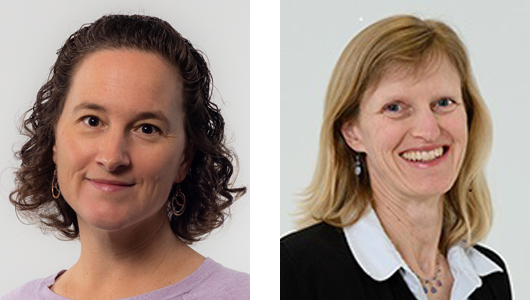
Hospice care is meant to bring comfort, clarity, and support in the final stage of life. Unfortunately, for many Medicaid beneficiaries living in nursing homes, this support comes too late, or not at all. New research from the UConn Center on Aging is exploring why hospice is underused in these settings and how the system can better serve residents and their families. The project, led by Dr. Ellis Dillon and Dr. Julie Robison and funded by the Donaghue Foundation, examined hospice use among Connecticut residents with Medicaid who passed away between 2017 and 2023. Among the 39,633 people in the study, just under half (42.8 percent) used hospice in their last year of life. Of those, nearly half were enrolled for a week or less. This is far too short of a time period to receive the full benefit hospice can offer.
Most people in the study (61.8 percent) spent time in a nursing home during their last six months. Hospice use was nearly 7 percent higher among these residents than those without a nursing home stay. However, after accounting for age, diagnoses, and other factors, residents with prior nursing home stays were less likely to receive hospice. The people in this group were mostly dual eligible for Medicare and Medicaid (83.1 percent), age 75 or older (64.1 percent), and women (61.4 percent). The most common conditions were dementia, diabetes with complications, and cancer, often occurring in combination.
Numbers alone don’t explain the gap. To understand the “why,” the research team is pairing data with insights from people working inside the system. With input from state agencies, nursing home associations, and hospice organizations, the researchers identified facilities with both high and low hospice use and connected them with their most frequent hospice partners. They are now interviewing clinicians and administrators to hear directly about the challenges and opportunities for timely hospice referral.
Early conversations point to several system-level issues. Decline in health is not always recognized early, which delays important conversations about care preferences and hospice eligibility. Many referrals happen late, leading to shorter hospice enrollment that limit access to symptom management, caregiver support, and emotional and spiritual care. In addition, nursing homes and hospice agencies operate under different funding and regulatory systems, which makes coordination more difficult. These challenges are especially pressing for residents with dementia, who often need more planning and consistent communication.
The next phase of the project will bring together the numbers and the stories to recommend concrete changes. Possibilities include:
•Training staff to spot the signs that a resident may benefit from hospice sooner
•Streamlining referral processes between nursing homes and hospice agencies
•Offering clearer information to families about what hospice is, what it provides, and how it fits with the resident’s wishes
The team will also look closely at how funding rules and reporting requirements affect when referrals are made and how care is organized. The intent is to seek policy solutions that make earlier, equitable access possible.
By combining the voices of frontline staff with data on tens of thousands of residents, this work is poised to move from describing a problem to creating real-world solutions. In end-of-life care, even a few extra days of support can make a profound difference. Centering dignity, equity, and family needs isn’t just the right thing to do. It’s a measure of how well our systems serve people when it matters most.